Home of the Future, 1925–1985: Designing Domestic Utopias
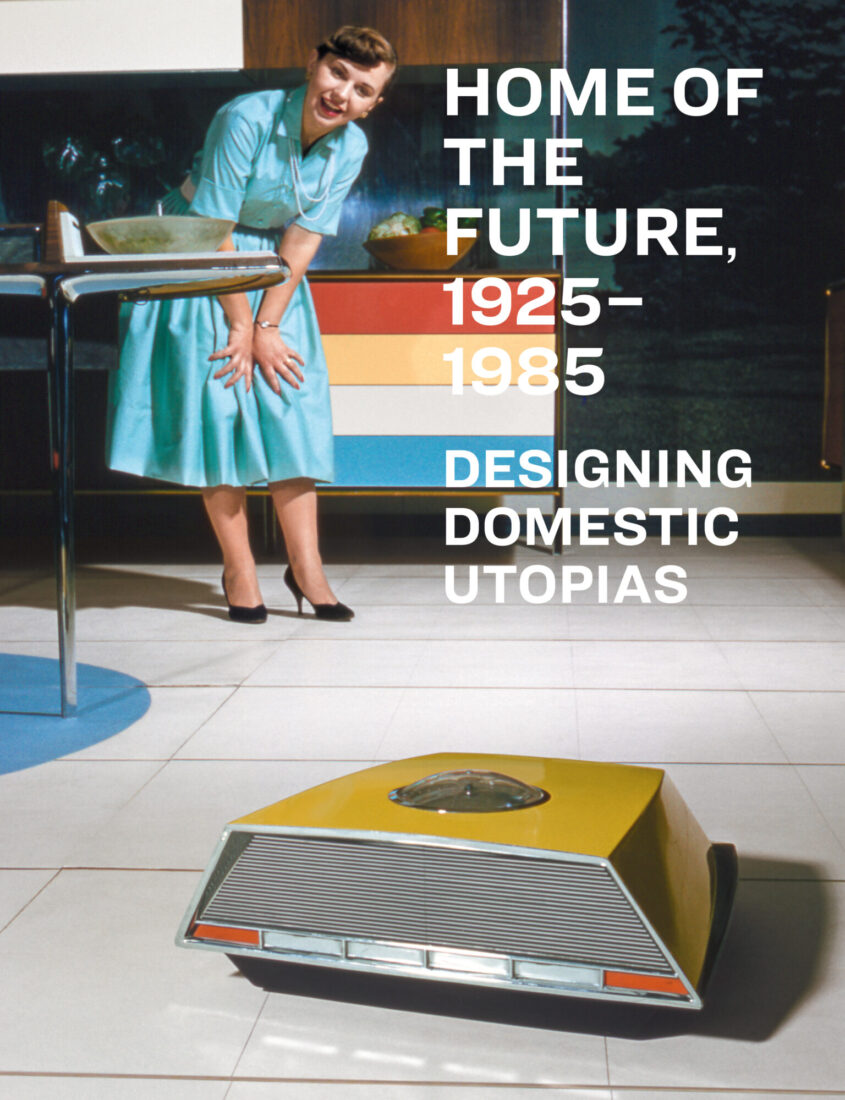
The 60 years between 1925 and 1985 bore witness to a meteoric acceleration of technological developments, followed almost as quickly by an apathetic disillusionment as to its cost. In the late 1960s, nearly four decades of technological optimism and relentless consumerism were replaced by growing fears of an ecological apocalypse, which led to a shift in the collective vision for the future, reflected clearly in midcentury home interior innovation. Home of the Future’s first three sections investigate how designers, companies and the government imagined, disseminated and sold the notion of the home of the future. The fourth and final section explains how these strategies were later rejected, but also repurposed.
Combined with countercultural ideals about autonomy and sustainability, the result is an embrace of the “smart homes” that dominate today. Models, vintage advertisements, drawings and archival photographs elucidate midcentury fantasies about future living: The Dymaxion House! The Miracle Kitchen! The House of the Century! Retro but commercially available products demonstrate more immediate futures at the time—offering a revolution in ways to communicate, clean, save labor, and heat and cool the home. Appliances ranging from sinks and toasters to radios and TV sets reveal how advances in energy production (electric, gas, solar and atomic) and the prevalence of synthetics fundamentally altered not only the way Americans lived but also the nature of their beliefs.